Complete Story
07/01/2026
3rd Quarter Billing Buzz from Zone 2
IT’S FUN IN THE SUN UNTIL SOMEONE GETS BURNED
July 2026 – Zone 2 – Billing Buzz
IT’S FUN IN THE SUN UNTIL SOMEONE GETS BURNED.
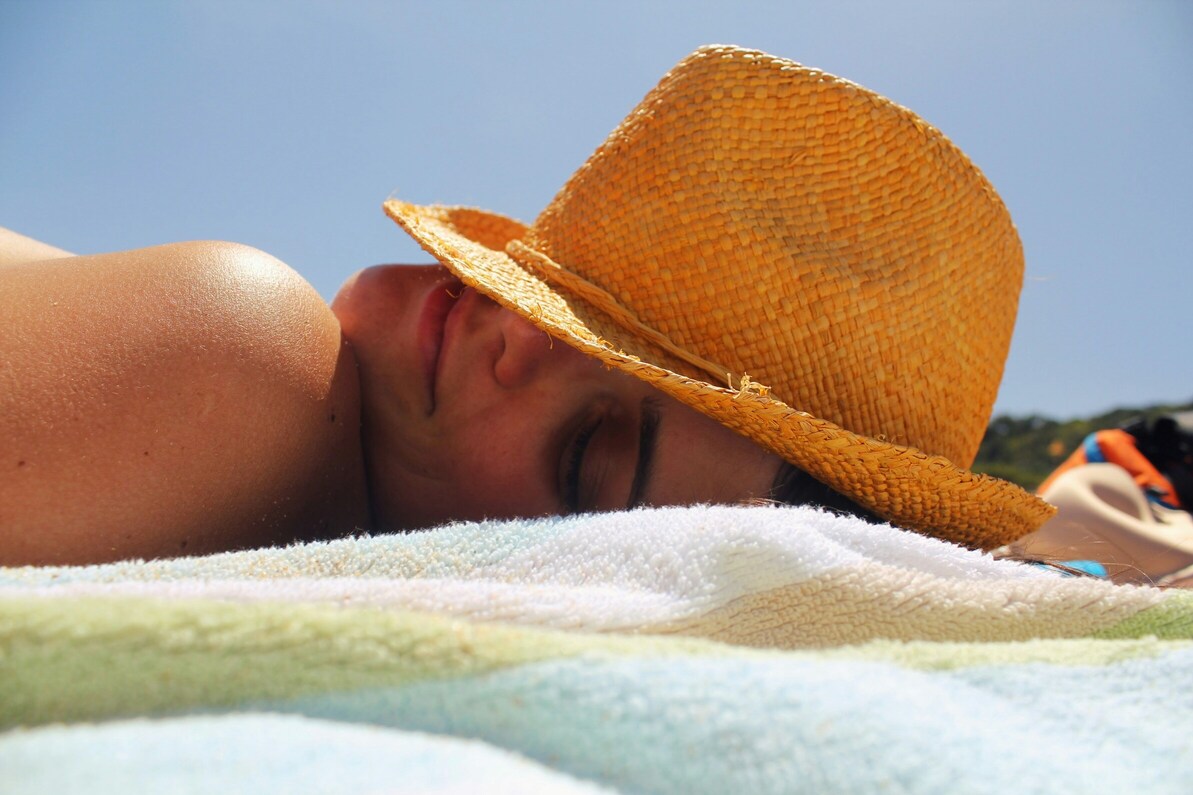
July is UV Safety Month: Focuses on preventing skin cancer and sun damage through sunscreen, protective clothing, shade and routine skin checks. According to the Centers for Disease Control and Prevention (CDC), spending time outside is a great way to be physically active and reduce stress. You can work and play outside without raising your skin cancer risk by protecting your skin from the sun. Although, protection from ultraviolet (UV) rays is important all year, not just during the summer or sunny days. UV rays can reach you on cloudy and cool days, and they reflect off surfaces like water, cement, sand, and snow. In the continental U.S., UV ray tend to be strongest from 10 a.m. to 4 p.m. daylight saving time (9a.m. to 3p.m. standard time). This is why it is important to be aware of the risk that UV can do to our skin and take safety measures to protect yourself from the risk of sunburn. Being in the sun is absolutely fun, but getting sunburn increases the risk of skin damage and even increases the risk of skin cancer. Let us protect ourselves out there.
What is a sunburn:
-
An inflammatory skin reaction caused by overexposure to UV) radiation from the sun. Sunburn is painful and the danger goes far beyond any short-term pain, redness and discomfort. Even when the sunburn fades there is still lasting damage and it accelerates skin again.
Symptoms and Severity:
-
First-degree (Mild): Redness, tenderness, and heat.
-
Second-degree (Moderate/Severe): Damaged deeper skin layers, causing blisters.
-
Third-degree (Rare): Severe, deep skin damage requiring immediate medical attention.
-
Systemic symptoms: Severe burns can cause fever, headache or nausea.
Sunburn prevention:
-
Avoid Sun exposure between 10 a.m. and 4 p.m.
-
Avoid sun tanning and tanning beds.
-
Use sunscreen often and generously. (SPF 30 blocks 97% of UVB rays)
-
Where sunglasses to protect your eyes
Treatment when it’s too late for prevention:
-
Covering your sunburned skin while it heals, especially when outside. Cool, damp cloth may help feel better.
-
Using topical cooling and hydrating gels and creams like hydrocortisone cream or aloe vera gel.
-
Drinking water to avoid dehydration.
-
Taking a cool bath or shower. Try a bath with oatmeal baking soda to soothe sore skin.
-
Taking NSAIDS for pain relief.
-
And visit the physician
Diagnosis code you may expect to see on the billing claim:
-
9 - Unspecified sunburn
-
0 – First-degree - sunburn
-
1 – Second-degree - sunburn
-
2 – Third – degree sunburn
Reference: Cleveland Clinic, ICD –10 – 2026, Mayo Clinic
Printer-Friendly Version